Loading...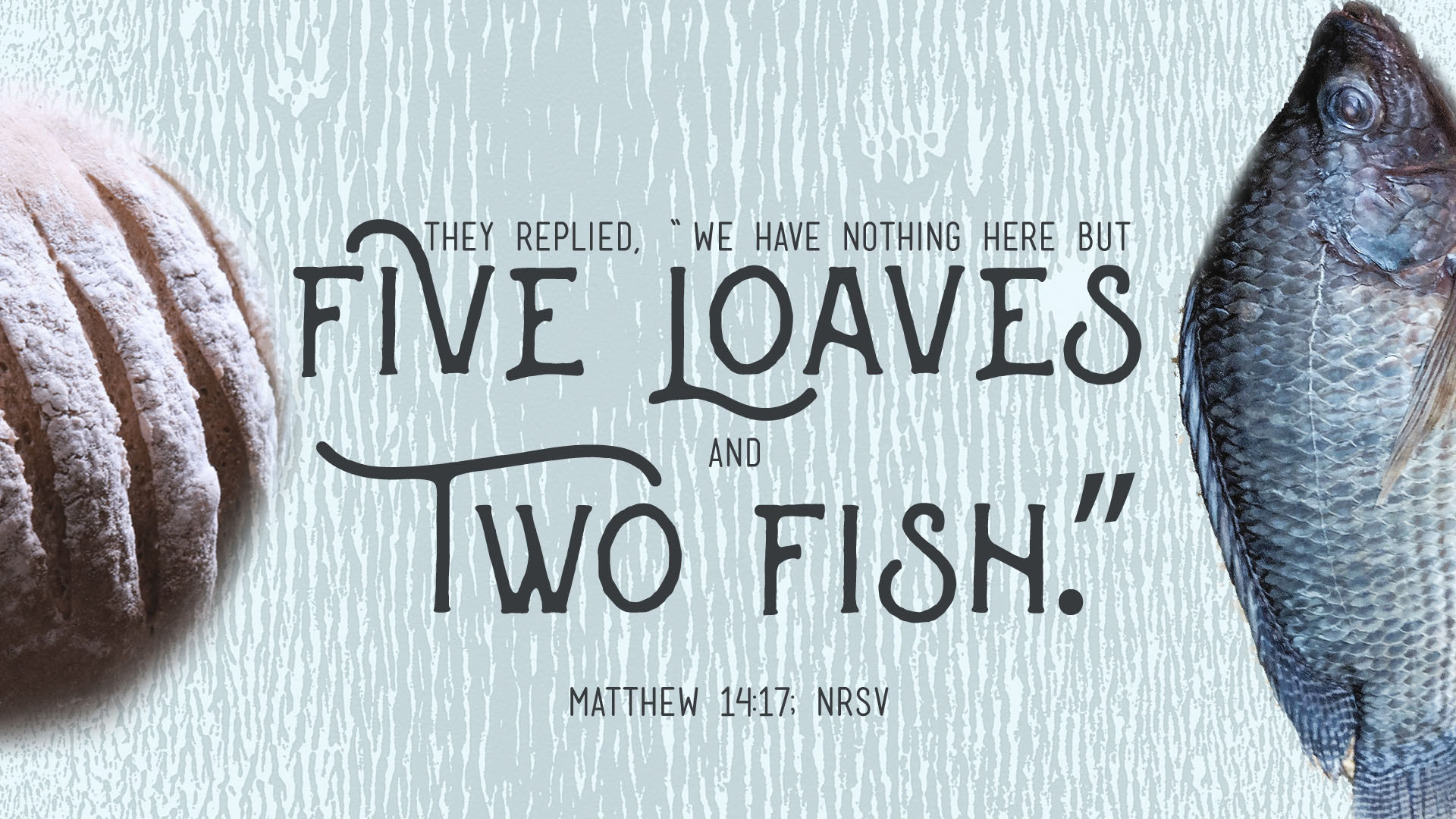
Now when Jesus heard this, he withdrew from there
in a boat to a lonely place apart.
-Matthew 14:13
I have great sorrow and unceasing anguish in my heart.
-Romans 9:2
Today we hear of a significant miracle, the feeding of the multitude, the only miracle included in all four Gospels. It all begins, says Matthew, when Jesus receives some news.The opening to the account of the miraculous feeding begins as Jesus receives some news.
The consideration that the one we confess to be, “the only Son of God, eternally begotten of the Father, God from God, Light from Light, true God from true God, of one Being with the Father,” through whom “all things were made,” needs to be informed about something that transpires in a different location from his just stopped me in my tracks. Consenting to the Incarnation, to becoming fully human, with its physical limitations, its sorrow and pain, its mortality, a journey through time, with a beginning and an end, is an unsurpassed display of humility on the part of the eternal Son of God. Paul writes beautifully of this display when he encourages the Philippians to be of the same mind as the Lord, who was in the form of God, but did not count equality with God a thing to be grasped, but emptied himself, taking the form of a servant, being born into humanity, humble and obedient, even to the point of surrendering his life on a cross (Philippians 2:5-11). In his humbled state, constrained by time and location, the news must be brought to Jesus that John the Baptist is alive no more. This news hits hard on several levels.
Jesus and John are kinsmen, of the same family, with a deep affection that began before the two were born. The Gospel reading for the Feast of the Visitation, which the Church celebrates on May 31, tells us that when Mary, bearing Jesus, greeted Elizabeth, bearing John, he leaped in his mother’s womb in holy joy at his first meeting with the Savior whose advent he would announce to the world.
The two of them have shared a common bond of ministry. John has been the forerunner to prepare the way, while Jesus has been waiting in the wings for his time to come. With John’s life given up in the dungeon of Herod’s fortress palace Machaerus, Jesus no longer waits in the wings.
The time has come for his kingdom work to take center stage, and that will lead, as the story of Matthew unfolds, to increasing scrutiny from those in power, increasing resistance to his message, and ultimately to the sorrowful mystery of Good Friday, the necessary precursor to the joyful mystery of Easter.
To process this news, Jesus needs some time apart, some time to pray, and so a boat carries him to a lonely place apart. But the crowds, the crowds, they need him, and they won’t allow him the time and the space. How does Jesus respond to their intrusion upon his much needed retreat? With compassion, spending the day teaching and healing, until at day’s end it is time for supper. The disciples suggest sending the people to surrounding villages, but Jesus tells the disciples to feed them. The resources are too meager, five loaves of bread and two fish. “Bring them to me.” “Everyone please sit down in the grass.” Sitting indicates this is to be a festive occasion, a banquet, a time to enjoy good conversation and plenty to eat. It’s no bread line where you get your puny share and move on.
Jesus takes what is offered, those five loaves and two fish. He blesses that little bit, giving thanks to God for the provision of it. He then breaks it up to share with everyone, and he gives it to them, with the disciples as his wait staff. And what a banquet it is. After a while there are thousands of full bellies. Disciple waiters make their way among the crowd with subsequent helpings, but hands are raised and they are told, “I’m so full, I just couldn’t eat another bite.” The disciples gather up the leftovers, twelve baskets full, just as there are twelve of them, just as there are Twelve Tribes of Israel. Jesus has come to feed them, to make them whole. That is why in Romans 9 Paul is so heartbroken over Israel’s rejection of Jesus as their Messiah. He came for their wholeness.
He came for our wholeness. He relinquished the glory of divinity. He took on our humanity, in its fullness, even unto death. He came to feed us, to nourish us, in love. He came to make us whole. How else can we respond, but with awe, humility, and love returned by enthroning him as King of our hearts, as Lord of our lives, as Healer of our souls.